Indoor air quality plays a major role in comfort, health, and energy efficiency. While many people focus on air purifiers or ventilation alone, the reality is that your HVAC system has the greatest impact on indoor air quality.
Your HVAC system filters, circulates, and conditions the air throughout your home or business. When it is properly maintained, it helps reduce dust, allergens, and excess moisture. When it is neglected, it can circulate contaminants and allow air quality issues to worsen over time.
How HVAC Systems Affect Indoor Air Quality
HVAC systems influence indoor air quality in four core ways: filtration, humidity control, ventilation, and airflow.
Air Filtration
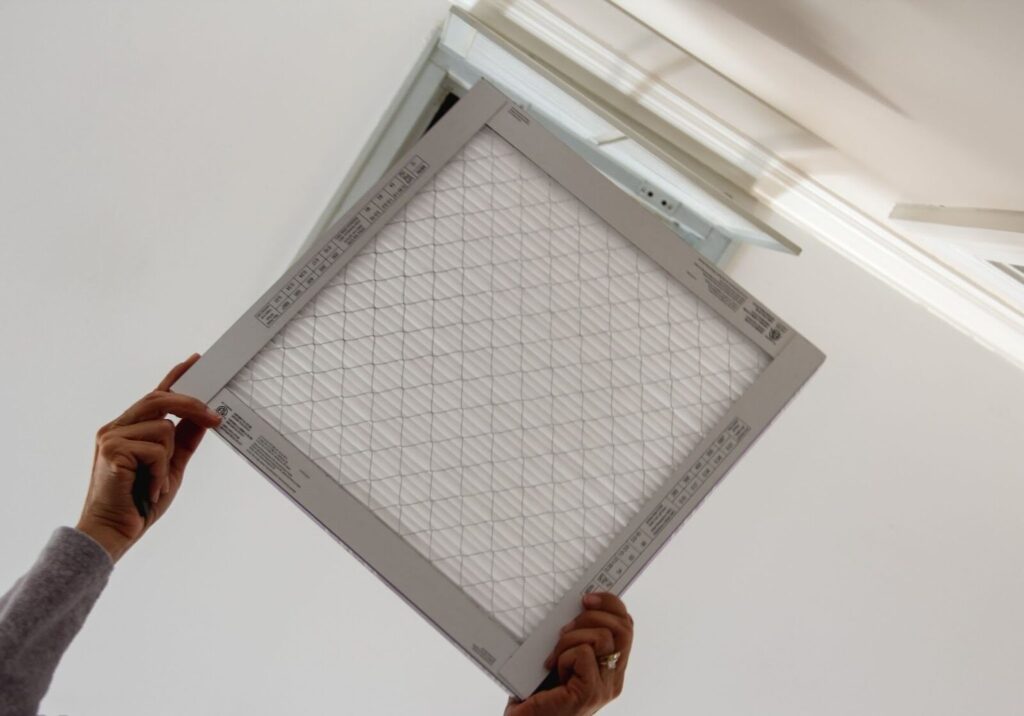
HVAC filters capture airborne particles such as dust, pollen, and pet dander. Higher-efficiency filters can remove smaller particles, improving indoor air quality throughout the space.
Filters must be replaced regularly. Clogged filters restrict airflow and reduce their ability to trap contaminants, allowing particles to circulate indoors.
Humidity Control
HVAC systems regulate indoor humidity by removing moisture from the air. Maintaining balanced humidity helps reduce the risk of mold, mildew, and bacterial growth while improving comfort.
Poor humidity control can worsen air quality and create conditions that allow contaminants to thrive.
Ventilation and Air Exchange
Ventilation introduces fresh outdoor air and helps dilute indoor pollutants. Proper ventilation reduces the buildup of airborne contaminants created by daily activities.
Without adequate air exchange, indoor air quality can decline even in clean environments.
Air Circulation and Balanced Airflow
Even airflow prevents stagnant areas where pollutants collect. Proper system design and operation help distribute filtered air evenly throughout the space.
HVAC-Related Causes of Poor Indoor Air Quality
Many indoor air quality problems are directly tied to HVAC issues.
Common causes include:
- Dirty or clogged air filters
- Dust and debris buildup in ductwork
- Inadequate ventilation
- Improperly sized HVAC systems that fail to control humidity
- Moisture buildup on coils or in drain lines
These issues often develop gradually, which makes routine maintenance essential.
4 Ways to Improve Indoor Air Quality Using Your HVAC System
Improving indoor air quality often starts with basic HVAC care.
Replace Air Filters Regularly
Check filters monthly and replace them every 1 to 3 months, depending on usage, pets, and dust levels.
Schedule Professional HVAC Maintenance
Routine maintenance ensures coils are cleaned, drain lines are clear, airflow is balanced, and potential issues are identified early.
Improve Filtration or Ventilation When Needed
High-efficiency filters, ventilation adjustments, or targeted upgrades may be recommended based on your space and air quality concerns.
Maintain Clear Airflow
Keep supply vents and return grilles unobstructed to allow proper circulation and filtration.
Improve Indoor Air Quality With Equi-Tech Mechanical
Equi-Tech Mechanical helps homeowners and businesses improve indoor air quality by ensuring HVAC systems operate efficiently and cleanly.
From routine maintenance to airflow and filtration solutions, our focus is on helping your HVAC system support a healthier, more comfortable indoor environment.
If indoor air quality is a concern, professional evaluation is the best way to identify the cause and the right solution.